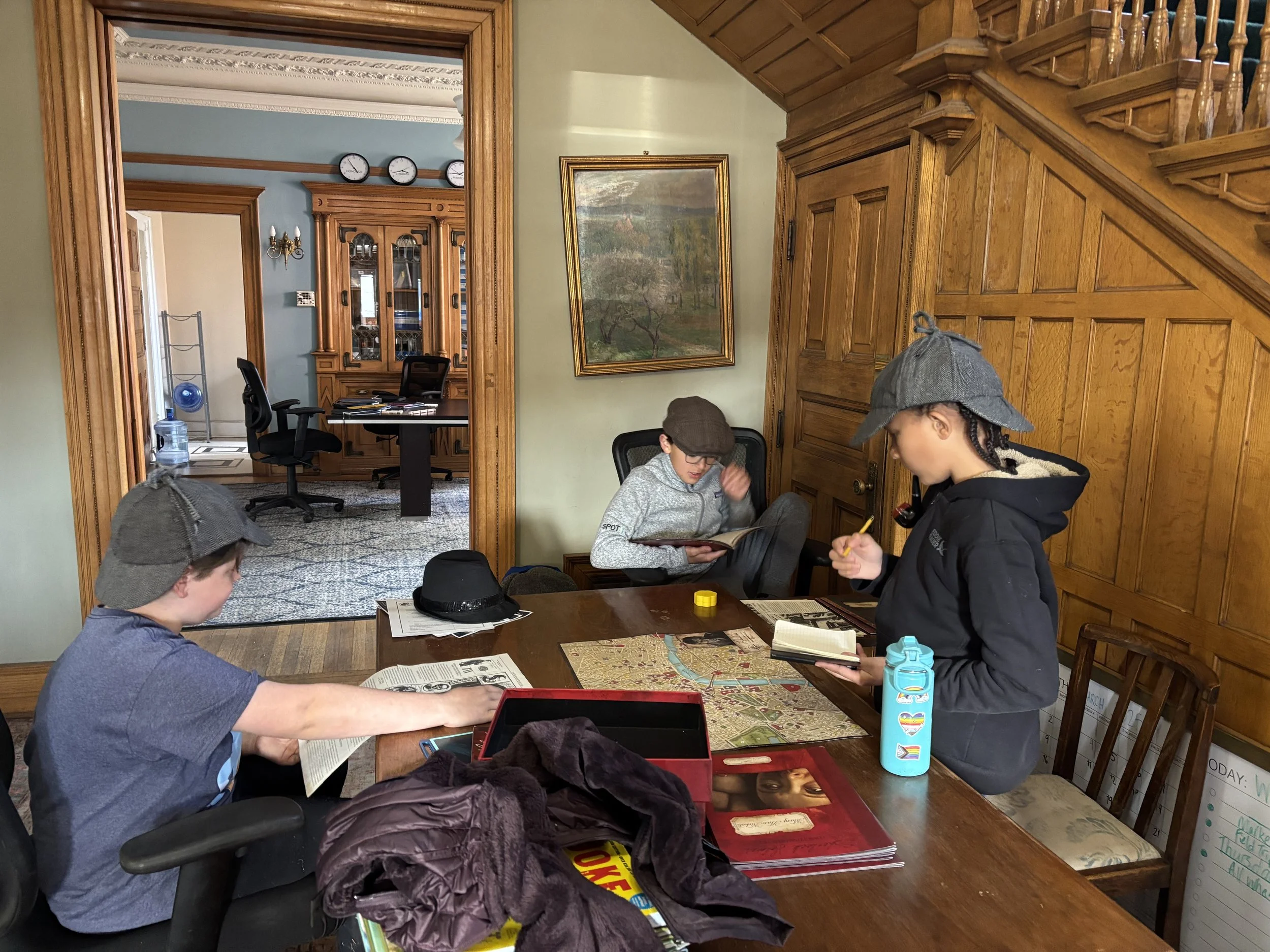
What will my child be learning?
FOREST SCHOOLS
Our Forest School program promotes environmental stewardship and a deep connection with nature, reflecting our commitment to experiential, learner-led education inspired by the UK Forest Schools model.
Grades K-5: Learners engage in a progressive curriculum that begins with nature exploration, sensory experiences, and unstructured play. As students grow, they build on these foundations with lessons in ecological principles and conservation, while developing practical outdoor skills. These include fire lighting, cooking over an open fire, and a carefully sequenced introduction to tool use—culminating in the responsible handling of a whittling knife.
Forest School fosters curiosity, teamwork, and emotional intelligence while cultivating a lifelong appreciation for the natural world.
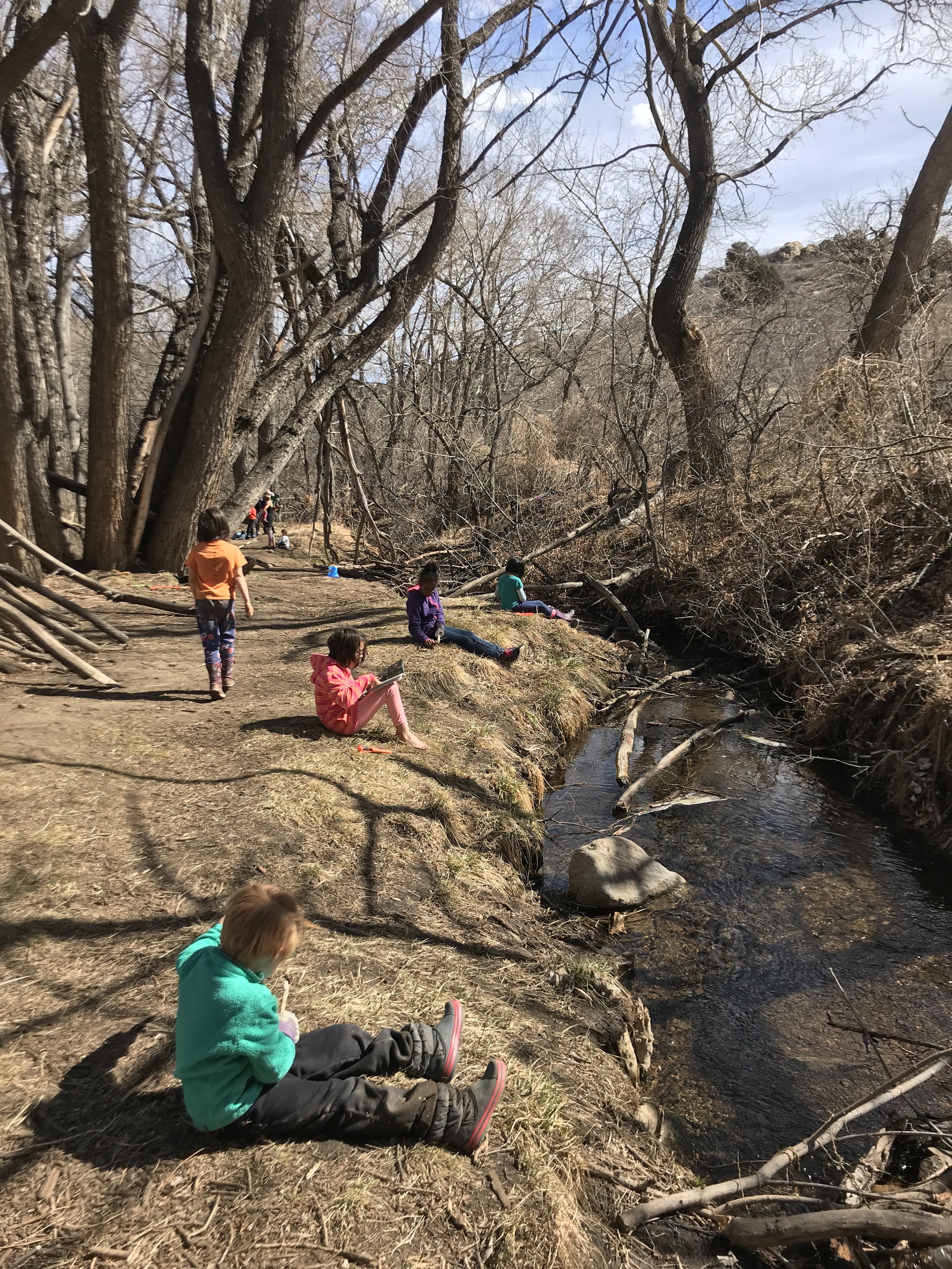
Environmental Education
Our Environmental Education classes use the outdoors as the classroom. Students explore ecosystems, plants and animals, weather, geology, conservation, and our relationship with the natural world through hands-on, place-based learning. Classes integrate science, geography, math, art, and writing while encouraging curiosity, problem-solving, and a deeper connection to the environment.

Curriculum and Culture
Our educational program is designed around the principles of personalized and experiential learning.
At the core of our curriculum are research-based strategies that emphasize the importance of meeting students where they are, recognizing and valuing their unique strengths and challenges.
Our program incorporates interdisciplinary approaches that blend life skills with provide practical, real-world applications, ensuring that learning is both relevant and engaging.

Central to our educational philosophy is the integration of social-emotional learning (SEL), critical thinking, and problem-solving skills.
Facilitated through project-based learning, our community partnerships enrich our curriculum with specialized interventions and opportunities, offering an approach to education that addresses the cognitive, emotional, and social needs of our students.
Through our collaborative community of learners, educators, families, and partnerships, we are able to work together to provide a transformative educational experience that prepares students both in school and in life for the challenges and opportunities of the future.
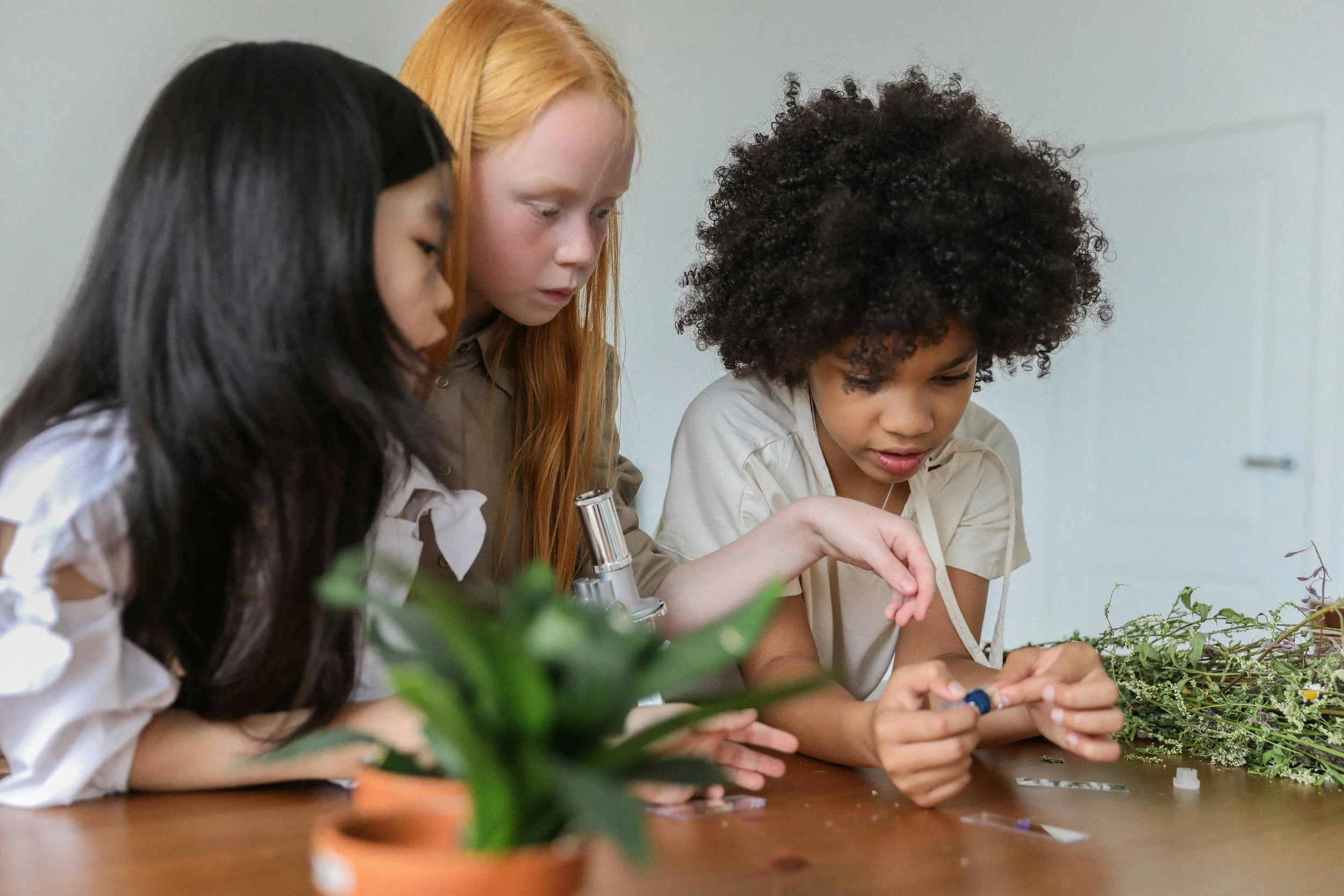
We believe every student possesses unique strengths and infinite potential for growth.
Our approach is deeply rooted in the belief that education should:
be personalized, engaging, and expansive
transcend traditional boundaries
ignite curiosity
encourage exploration, creativity, and the pursuit of passions
enhance social-emotional learning
foster confidence and resilience
empower students to leverage their innate talents
Beyond Exceptional creates a culture that is inclusive, supportive, adaptive, and both recognizes and celebrates the diversity of learners' experiences and needs.
We believe students should feel valued for their individual contributions, motivated to deeply explore their interests, and have a strong sense of belonging in their learning environment.
Each program is tailored to meet the diverse needs of our students, promoting curiosity, creative expression, and practical life skills.
Our curriculum is designed to foster a supportive, engaging, and innovative learning environment that aligns with our mission to empower students through personalized, hands-on learning experiences.
-
Project-Based Learning
-
Critical Thinking
-
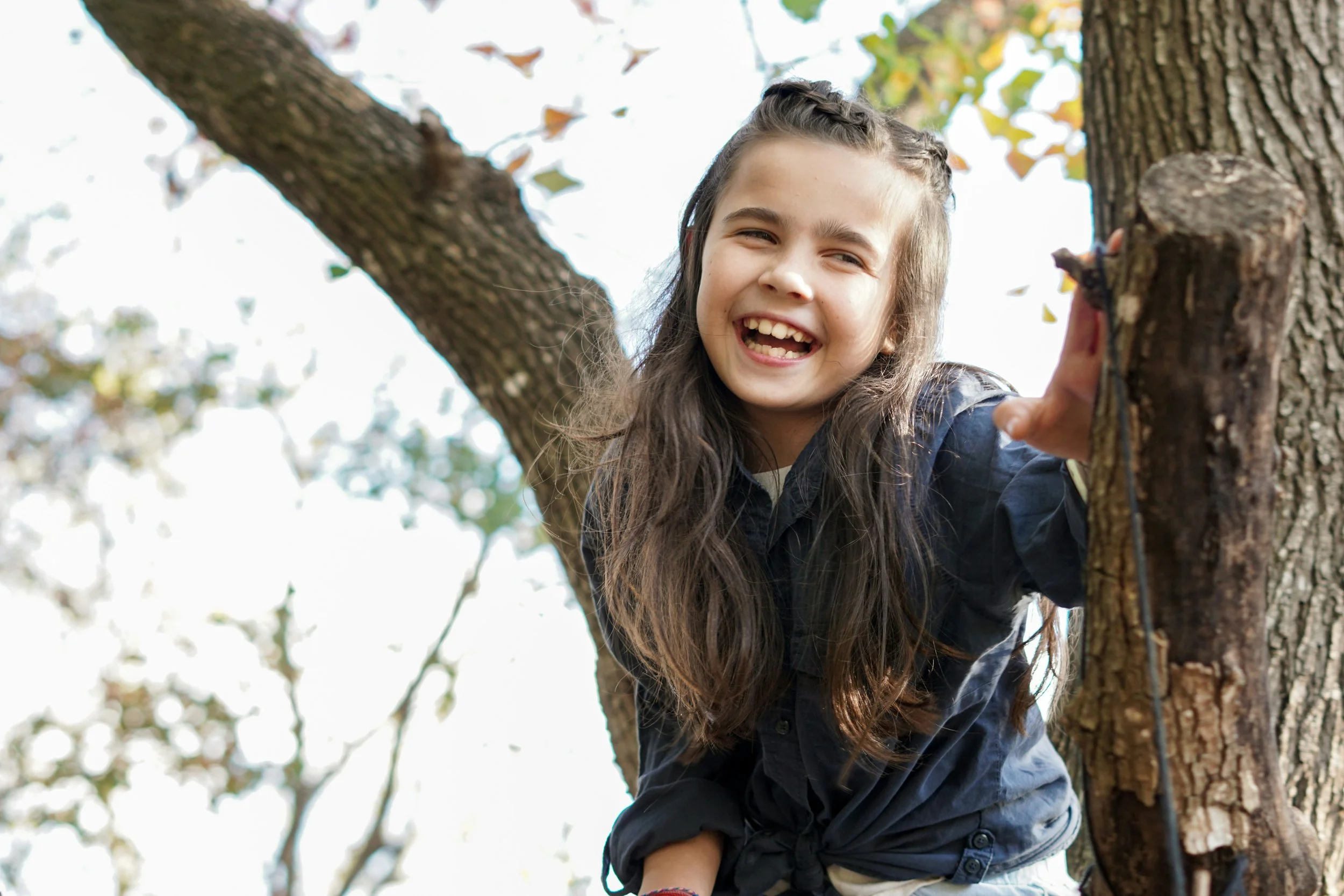
Nature Immersion Experiences
-
Social-Emotional Learning
-
Problem Solving
-
Real-World Learning
Our classroom culture is founded on the principles of respect, inclusivity, and collaboration. Teachers encourage students to view challenges as opportunities for growth and learning. This positive and supportive atmosphere enables students to express themselves freely, share their unique perspectives, and appreciate the diverse abilities and contributions of their peers.
Small class sizes (12 students max) allow for teachers to tailor instruction to the individual learning styles, interests, and needs of each student, while also facilitating a deeper understanding of each student's academic progress, emotional well-being, and social development.